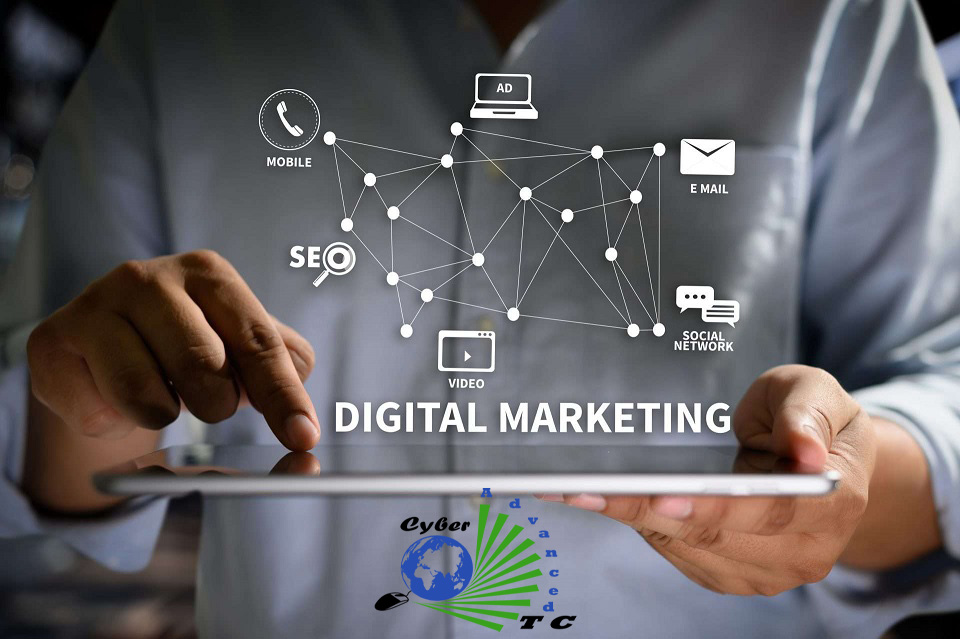
Top Digital Marketing Strategies to Boost Your Business Growth
In today’s digital age, an effective digital marketing strategy is crucial for businesses looking to grow and succeed. Here are some of the top digital marketing strategies that can help boost your business growth:
1. Search Engine Optimization (SEO)
What is SEO?
SEO involves optimizing your website to rank higher in search engine results pages (SERPs). Higher rankings increase visibility, driving more organic traffic to your site.
Key SEO Practices
* Keyword Research: Identify and use relevant keywords that your target audience is searching for.
* On-Page SEO: Optimize your content, meta tags, headers, and images.
* Off-Page SEO: Build backlinks from reputable sites.
* Technical SEO: Ensure your site is mobile-friendly, has fast load times, and a secure HTTPS connection.
Benefits
a) Increased organic traffic
b) Improved online visibility
c) Higher credibility and trust
2. Content Marketing
What is Content Marketing?
Content marketing involves creating and distributing valuable, relevant content to attract and engage your target audience.
Key Content Types
* Blog Posts: Informative articles that address your audience’s pain points.
* E-books and Whitepapers: In-depth guides that provide valuable insights.
* Infographics: Visual content that simplifies complex information.
* Videos: Engaging content that captures attention and drives conversions.
Benefits
a) Builds brand authority and trust
b) Generates leads and nurtures prospects
c) Enhances SEO efforts
3. Social Media Marketing
What is Social Media Marketing?
Social media marketing leverages platforms like Facebook, Instagram, Twitter, LinkedIn, and TikTok to promote your brand and engage with your audience.
Key Strategies
* Content Creation: Share valuable and engaging content tailored to each platform.
* Engagement: Interact with your audience through comments, messages, and posts.
* Advertising: Use paid ads to target specific demographics and expand your reach.
Benefits
a) Increases brand awareness
b) Drives website traffic and leads
c) Builds a loyal community
4. Email Marketing
What is Email Marketing?
Email marketing involves sending targeted messages to your subscribers to build relationships and drive conversions.
Key Strategies
* Segmentation: Divide your email list into segments based on demographics, behavior, and preferences.
* Personalization: Tailor your messages to each segment for higher engagement.
* Automation: Use automated workflows to send timely, relevant emails.
Benefits
a) Directly reaches your audience
b) Generates high ROI
c) Builds lasting customer relationships
5. Pay-Per-Click (PPC) Advertising
What is PPC?
PPC is a model of online advertising where you pay a fee each time one of your ads is clicked. Google Ads and social media platforms like Facebook offer PPC options.
Key Strategies
* Keyword Targeting: Bid on keywords relevant to your business.
* Ad Copy: Create compelling ads that attract clicks.
* Landing Pages: Design landing pages that convert visitors into customers.
Benefits
a) Immediate visibility and traffic
b) Highly measurable results
c) Flexible budget options
6. Influencer Marketing
What is Influencer Marketing?
Influencer marketing involves partnering with influencers in your industry to promote your products or services to their followers.
Key Strategies
* Identify Influencers: Find influencers whose audience aligns with your target market.
* Build Relationships: Establish genuine relationships with influencers.
* Campaigns: Collaborate on campaigns that resonate with their audience.
Benefits
a) Increases brand credibility
b) Reaches a wider audience
c) Drives engagement and conversions
7. Affiliate Marketing
What is Affiliate Marketing?
Affiliate marketing involves partnering with affiliates who promote your products or services in exchange for a commission on sales generated through their referrals.
Key Strategies
* Recruit Affiliates: Find affiliates with a strong following in your niche.
* Provide Resources: Offer marketing materials and support to your affiliates.
* Track Performance: Use tracking tools to monitor affiliate performance and optimize your program.
Benefits
a) Expands your marketing reach
b) Performance-based cost structure
c) Boosts sales and revenue
8. Retargeting Campaigns
What is Retargeting?
Retargeting involves showing ads to people who have previously visited your website but did not convert.
Key Strategies
* Ad Creatives: Design ads that remind visitors of your brand and products.
* Segmentation: Target different segments based on their behavior on your site.
* Frequency: Control the frequency of ads to avoid overexposure.
Benefits
a) Increases conversion rates
b) Maximizes ROI from existing traffic
c) Reinforces brand awareness
9. Video Marketing
What is Video Marketing?
Video marketing uses video content to promote your brand, products, or services.
* Platforms: Share videos on YouTube, social media, and your website.
* SEO: Optimize your videos with relevant keywords and descriptions.
Benefits
a) Highly engaging and shareable
b) Enhances brand storytelling
c) Drives higher conversion rates
10. Analytics and Data-Driven Decisions
What is Analytics?
Analytics involves tracking and analyzing data from your digital marketing efforts to make informed decisions.
Key Metrics
* Traffic Sources: Understand where your traffic is coming from.
* Conversion Rates: Measure how well your site converts visitors into customers.
* User Behavior: Analyze how users interact with your site.
Benefits
a) Optimizes marketing strategies
b) Identifies strengths and weaknesses
c) Enhances overall performance
By implementing these digital marketing strategies, you can effectively boost your business growth, attract more customers, and increase your revenue. Remember, the key to success is consistency, analysis, and adaptation based on the performance of your marketing efforts.
Share Now:
Read Comments
Leave Your Reply
Your email address will not be published. Required fields are marked *
Read Comments